


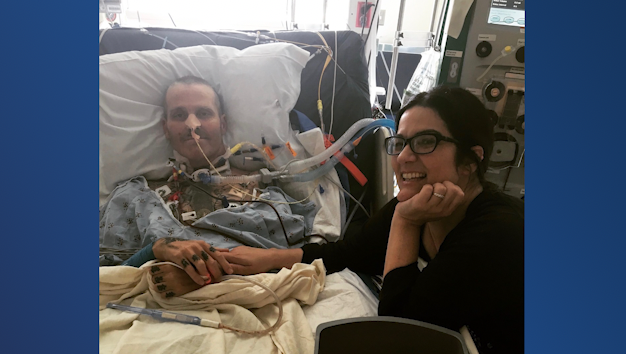
A San Luis Obispo County man is marking 10 years since receiving a heart transplant this summer, 30 years since he and his wife married on September 28, and 50 years since they met in second grade. As he celebrates these milestones, he is encouraging others to register as organ donors.
Daniel Wickstrom of Arroyo Grande, who describes himself as now perfectly healthy, received his transplanted heart from a 28-year-old semi-professional basketball player who was struck by a hit-and-run driver while walking and was placed on life support. Wickstrom said he has grappled with the weight of that gift.
“I will never know why David died and why I lived, and I’ve had to kind of come to terms with that. I will probably never understand that in this lifetime,” Wickstrom said.
Since his transplant, Wickstrom has built a relationship with his donor’s family. David’s mother has listened to her son’s heartbeat in Wickstrom’s chest after Wickstrom reached out to connect.
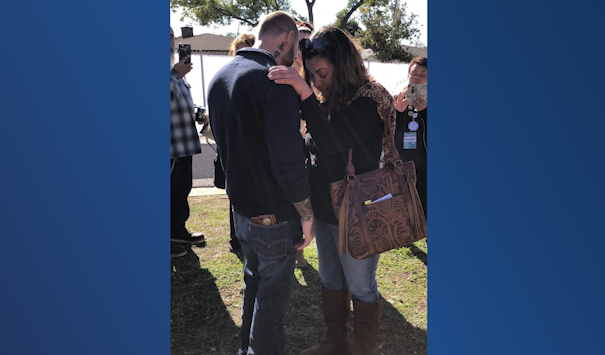
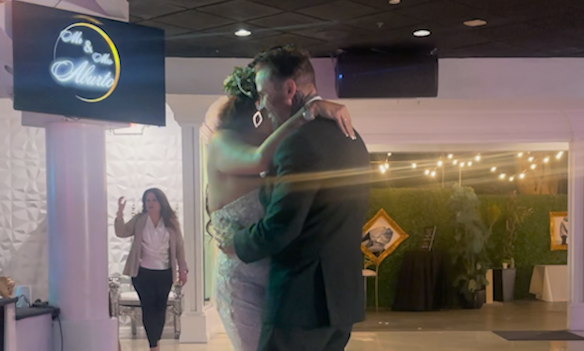
At David’s sister’s request, Wickstrom also officiated her wedding.
The transplant came after years of serious cardiac challenges, including a pacemaker and an electric heart device he had to plug in to charge. When his condition became critical, he was airlifted, though not in the way he had hoped.
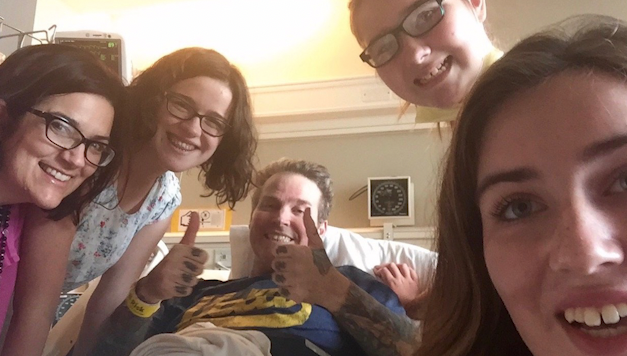
“So they Life Flighted me to UCLA. I’m always upset because I was hoping they’d take me in a helicopter, and they took me in a plane. It’s like I was ripped off!” Wickstrom said with a smile, before turning to the somber part of his life’s journey. “Within days, I was placed at the top of the transplant list. While I waited, it was a crazy balancing act to keep me alive.”
The first decade transplant anniversary is a meaningful benchmark. According to a 2026 peer-reviewed paper summarizing data from the International Society for Heart and Lung Transplantation registry, the median survival after a heart transplant is 11.3 years.
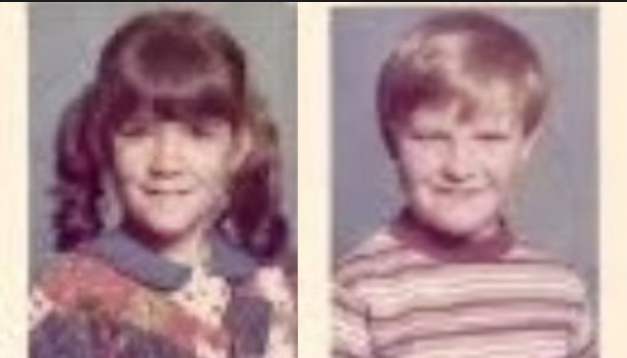
Wickstrom is celebrating two additional milestones this month. He and his wife, Kimberly, got married 30 years ago, on September 28, 1996. They met precisely 50 years ago this month, in 1976, when they were in elementary school in Arroyo Grande.
“We met in second grade,” Wickstrom said.
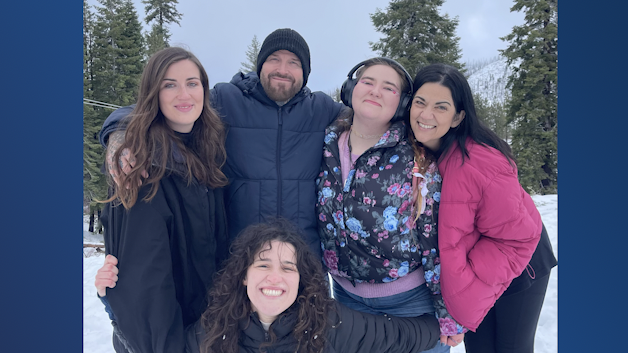
The couple has since raised three adult daughters, all of whom have been part of Wickstrom’s medical journey.
Despite his serious history, Wickstrom is quick to describe himself with humor. Speaking from a church podium, he acknowledged that his neck-to-toe tattoos can give a misleading first impression.
“It’s the stereotype that pastors’ kids are kind of a little wild, and I might look that way. I’m actually very boring,” Wickstrom said.
Wickstrom and Kimberly are now ambassadors for organ donation, and he is working to clear up a common fear that keeps some people from registering.
“A lot of people have this misconception, like, if I become a donor, will they not try to save me if I get in an accident?” Wickstrom said.
Donate Life California addresses that concern directly on its website, listing it as a myth: “
I saw on TV that doctors will let me die if they know I’m a registered donor.
” The organization’s response states that the doctors working to save a patient’s life have nothing to do with donation or transplantation, and that donation is considered only after a person has been declared dead. The organization further notes that only after every attempt has been made to save a patient’s life, and death has been declared, does the donation process begin. The doctors treating the patient are not the same doctors involved in recovering and transplanting donated organs.
Wickstrom’s message to anyone on the fence is straightforward.
“Just please make sure and check that box at the DMV,” Wickstrom said.
Approximately 114,000 people in the United States are currently on the national transplant waiting list. Nearly 23,000, or 20 percent, are California residents. While 90 percent of Americans say they support donation, only about 45 percent of Californians are registered on the Donate Life California Organ and Tissue Donor Registry.
Donate Life California recognizes September as DMV Appreciation Month, honoring Department of Motor Vehicles workers for their role in registering donors. The organization reports that 90 percent of all donor registrations in the United States happen at the DMV.
Living through this type of ordeal is life-changing, but it can also be an incredibly tough financial burden. As the Wickstroms explained, Kimberly spent months traveling back and forth from San Luis Obispo County to the Los Angeles area, with costs ranging from travel to lodging and meals. Both had to take long-term leave from their employers. They shared with KSBY News that they are incredibly grateful to both of their employers, where they each work today, as the employers held their jobs and allowed them to return when each was able.
Families supporting a loved one through a transplant who need help with costs such as meals, transportation, lodging, or long-term relocation may find resources through the Heartfelt Help Foundation at heartfelthelpfoundation.com. Anyone so moved may also make a donation at the link.
If you have a story idea you would like to send to KSBY Reporter Jessica Roe, you can reach her directly via email at jessica.roe@ksby.com.