


California gas prices are about to climb again. A 2.2-cent-per-gallon gas tax increase takes effect July 1, adding to an already steep per-gallon tax burden that leaves drivers in the state paying some of the highest fuel prices in the nation.
The tax hike is part of a formula approved by the state legislature in 2017 that adjusts the rate annually. Despite the annual increases, the tax generates less revenue each year as more drivers switch to electric vehicles.
“Over the last few years, we’ve seen gasoline consumption go down from 13 and a half billion gallons per year to 11 and a half billion gallons per year, just in the last few years,” James Worthley of the SLO Council of Governments said.
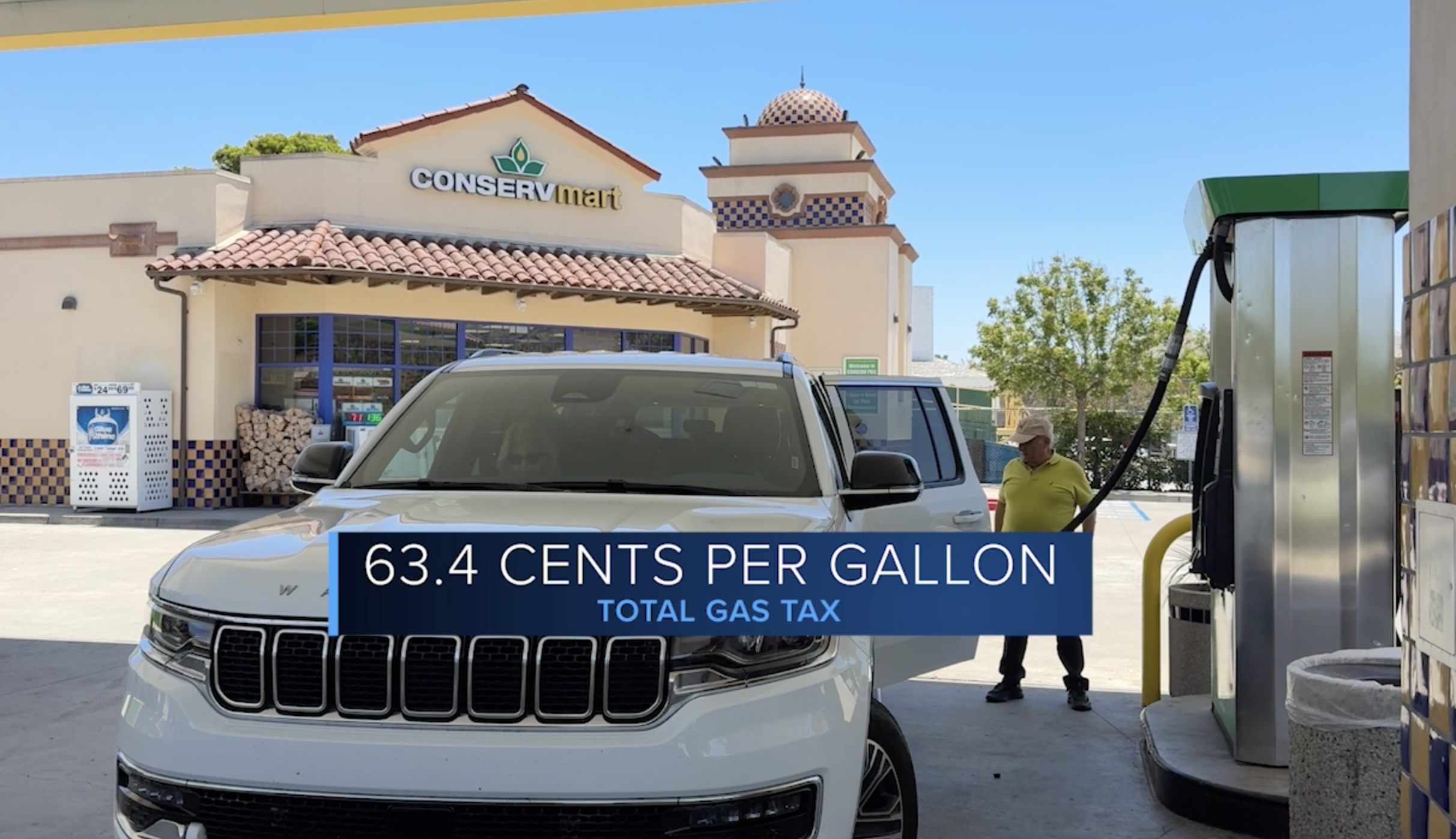
After July 1, California’s per-gallon gas tax will sit at 63.4 cents.
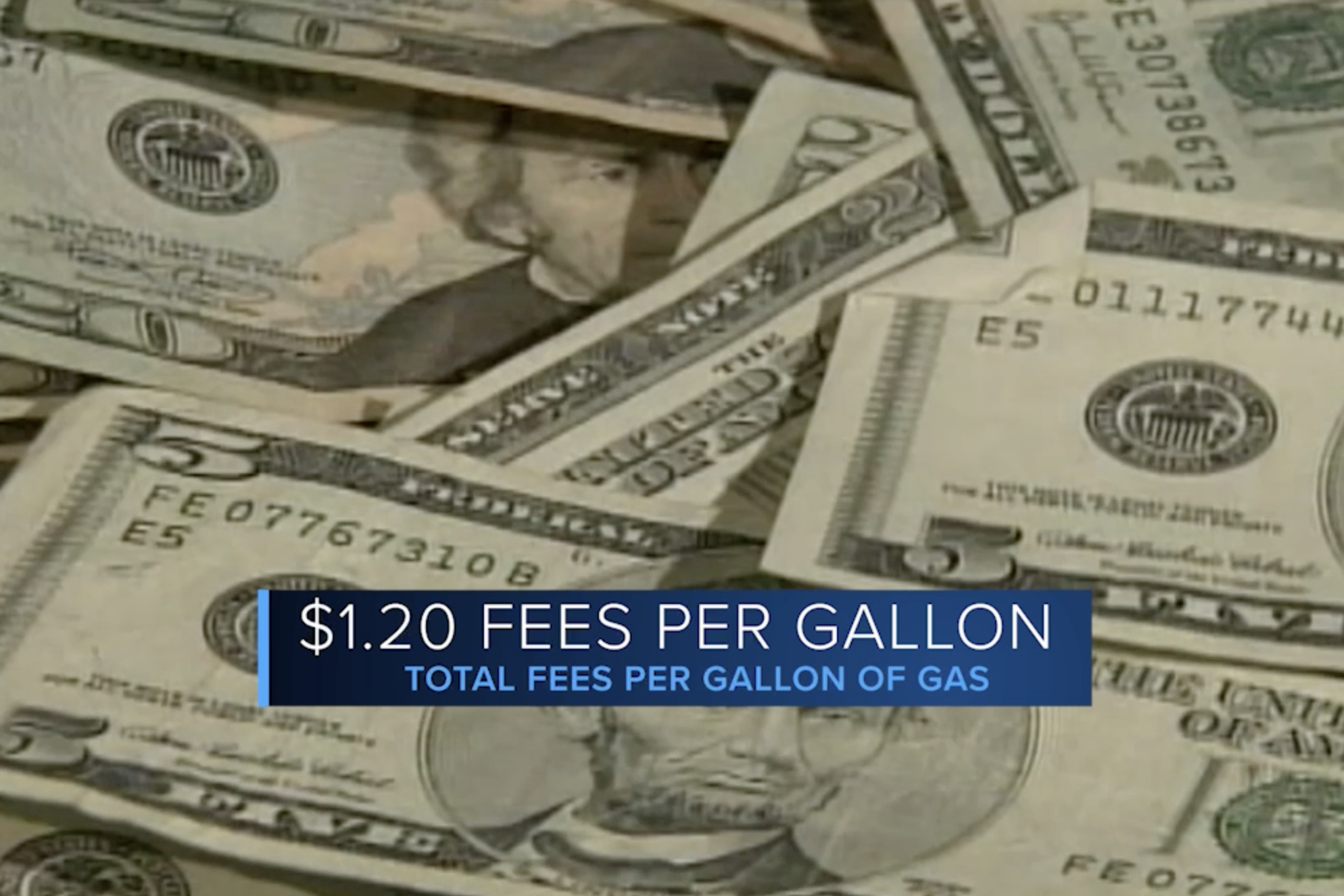
When other fees and sales taxes are factored in, about $1.20 of every gallon purchased in California goes toward fees rather than the fuel itself.
Electric vehicle owners do contribute to road funding, but that fee is paid annually through the Department of Motor Vehicles (DMV) rather than at the pump.
California’s pump prices are also driven higher by the state’s geographic isolation from the national pipeline grid. Two refineries in the state closed in the last year, and fuel must arrive by truck or boat.
In San Luis Obispo County, statewide gas tax dollars are restricted to federal and state infrastructure improvements. The county is currently ineligible for additional grant funding from the gas tax pool after voters rejected a local measure a decade ago.
That history is part of why voters are being asked to approve Measure H, a $35 million-per-year measure on the November ballot, which will bring in that amount of estimated money, and allow the county to apply for matching grant funds from the state’s gas tax fund.
James Worthley, Deputy Executive Director of the San Luis Obispo Council of Governments (SLOCOG), explained the challenge facing the region.
“Those grant funds need matching dollars. Matching dollars means you have to have money, to get money. The more money you have to leverage those funds back to your region, the more you can get out of the state, from those paid gas tax funds,” Worthley said.
Chuck Bell of the Central Coast Taxpayers’ Association offered a skeptical take on the push for local matching funds.
“I think their attitude is, well, we want a piece of this pie, if there’s gonna be a pie, we’re gonna, we want a piece of that pie,” Bell said.
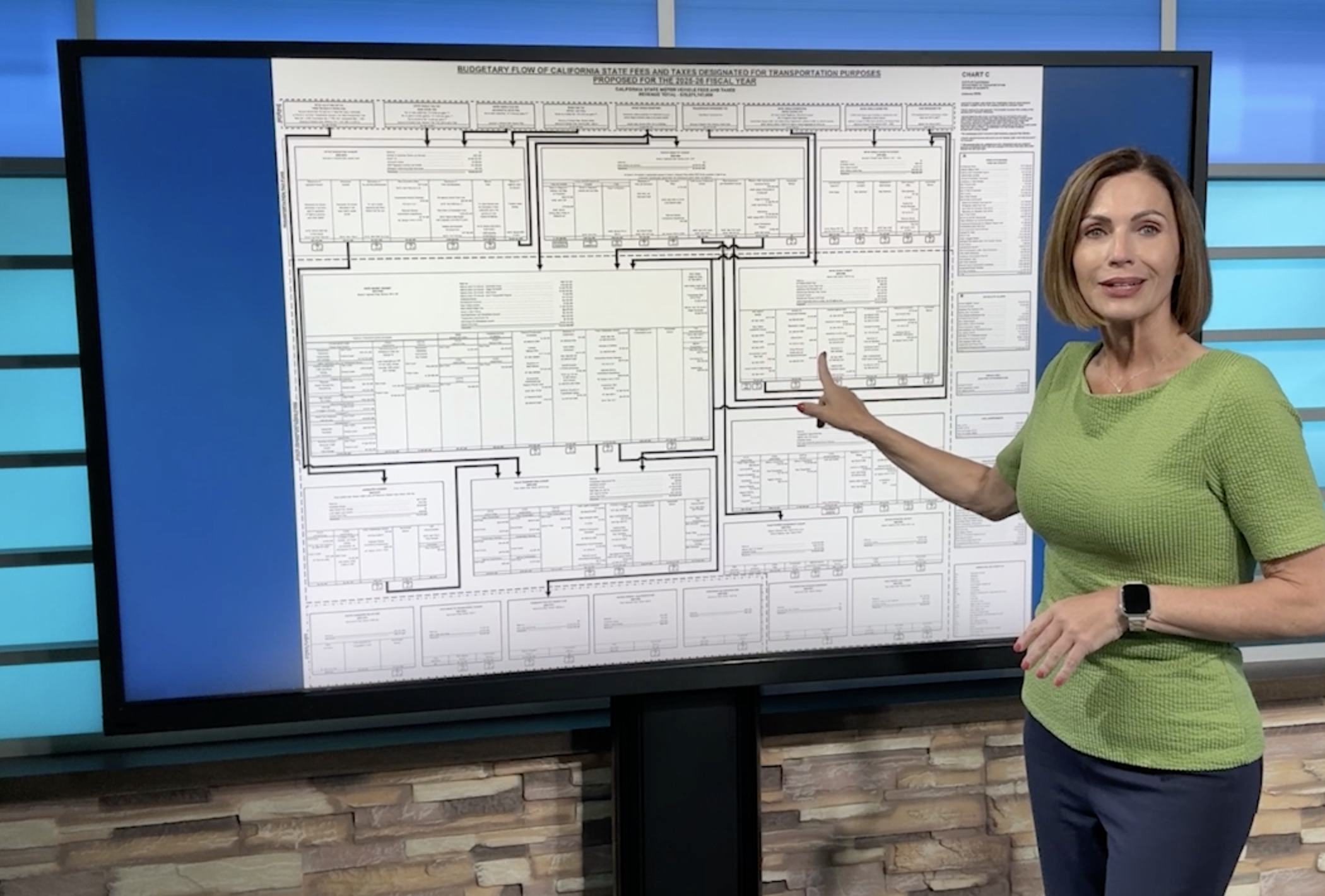
KSBY Community Reporter Jessica Roe attempted to review a full breakdown of where California’s gas tax revenue flows, and even displayed on a six-foot screen, the budget document’s text was illegible. Which you can take a look at here: https://dot.ca.gov/-/media/dot-media/programs/budgets/documents/chart-c-202526-adaa11y.pdf
If you have a story idea you would like to send to KSBY Community Reporter Jessica Roe, you can reach her directly via email at jessica.roe@ksby.com.